
How to Analyze Ad Performance: Content, Audiences and ROI
Analyze ad performance in three passes. Check the metrics against one clear goal (CTR, conversion rate, cost per conversion, ROAS). Then compare ad content: which hooks, images and offers convert, not just get clicks. Then compare audiences by cost per result. Move budget to what wins and retest monthly.
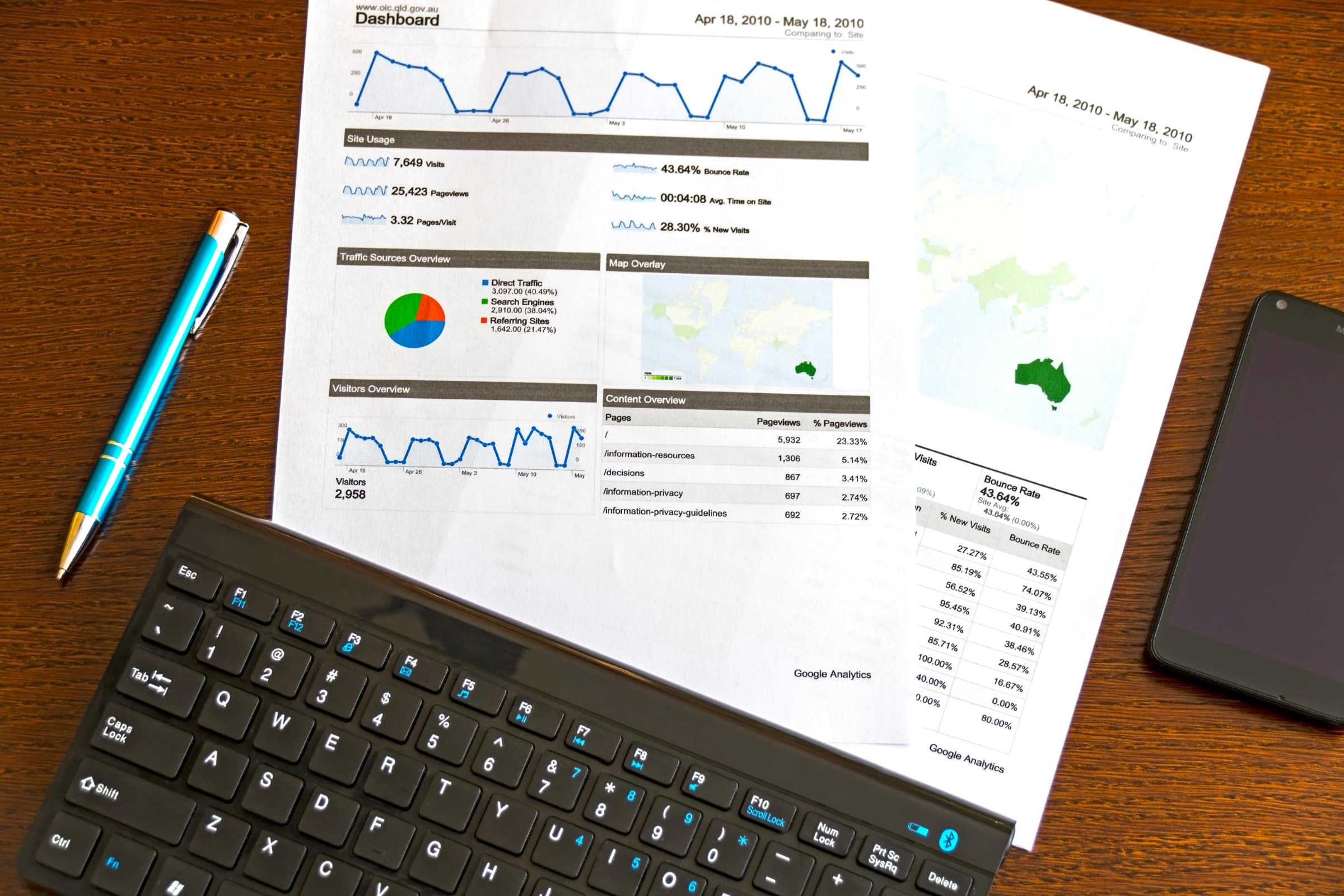
Most ad accounts aren't short on data. They're short on someone asking the right questions of it. Platforms will happily show you impressions, clicks and a "results" column. Whether any of that made you money is a separate question, and it's the only one that matters.
Here is how we analyze ad performance for small businesses: the metrics worth watching, how to judge the ads themselves, how to compare audiences, and how to turn the findings into budget decisions.
Which ad metrics actually matter?
Start with the handful of numbers that describe what happened, in the order a person moves through them:
1. Impressions
The number of times your ad was displayed to users.
2. Click-Through Rate (CTR)
The percentage of users who clicked on your ad after seeing it.
3. Conversion Rate
The percentage of users who completed a desired action, such as making a purchase or filling out a form, after clicking on your ad.
4. Cost-Per-Click (CPC)
The average cost you pay each time a user clicks on your ad.
5. Return on Ad Spend (ROAS)
The revenue generated for every dollar spent on advertising.
6. Engagement Metrics
Metrics such as likes, shares, comments, and video views that indicate audience interaction with your ad.
Where do you find the data?
Use the reporting built into advertising platforms such as Google Ads, Meta Ads Manager, LinkedIn Ads, or X Ads to access detailed insights into ad performance. These tools offer comprehensive dashboards and reports that highlight key metrics, audience demographics, geographic reach, and more.
How to analyze ad performance, step by step
1. Set Clear Goals
Define specific goals for your ad campaign, whether it's increasing website traffic, generating leads, boosting sales, or improving brand awareness.
2. Monitor Real-Time Data
Regularly monitor campaign performance in real-time to identify trends, anomalies, and opportunities for optimization. Track metrics like impressions, CTR, conversion rate, and cost-per-conversion to gauge initial performance.
3. Compare Performance
Compare performance across different ad variations, audience segments, and targeting criteria using A/B testing or multivariate testing. Identify high-performing elements and strategies to replicate success.
4. Audience Insights
Analyze audience demographics, interests, and behaviors to understand who is engaging with your ads. Use this data to refine targeting and personalize ad content to resonate with specific audience segments.
5. ROI Calculation
Calculate ROI by comparing the revenue generated from ad campaigns to the total advertising costs incurred. Identify campaigns with the highest ROAS and allocate budgets accordingly to maximize profitability.
6. Optimization Strategies
Based on insights gathered, implement optimization strategies such as adjusting bid strategies, refining ad creatives, optimizing landing pages, or refining audience targeting. Continuously test and iterate to improve campaign performance over time.
How do you analyze ad content performance?
Ad content analysis asks which ads, not which campaigns, are doing the work. Compare creatives inside the same campaign and audience so the only real difference is the ad itself.
- Separate attention from intent. A high CTR with a low conversion rate usually means the ad promised something the landing page didn't deliver. A low CTR with a strong conversion rate means the message is right but too few people notice it.
- Compare by element, not by ad. Group results by hook or headline, image or video style, offer and call to action. Patterns across several ads are more reliable than one winner.
- Watch video drop-off. For video, the first three seconds and the completion rate tell you whether the opening earns attention.
- Mind fatigue. When frequency climbs and CTR slides for the same ad, it's worn out. Refresh the creative before you blame the audience.
- Give tests enough data. Let each variation collect a meaningful number of conversions before calling it. Small samples crown lucky ads.
How do you analyze ad audience performance?
Audience analysis asks who you are paying to reach and what each group costs you per result.
- Rank audiences by cost per result, not by clicks. A cheap-click audience that never converts is the most expensive one in the account.
- Break results down by location, age, device, placement and time of day. Most platforms show this in a breakdown or segment view.
- Check overlap. If two ad sets target overlapping people, they compete in the same auctions and blur your results.
- Compare prospecting and retargeting separately. Retargeting almost always looks better because those people already know you. Judge each against its own job.
- Feed the winners back in. Use your best customers to build lookalike or similar audiences, and exclude existing customers from prospecting.
How often should you analyze ad performance?
Match the review to the decision it supports.
- Weekly: spend pacing, broken tracking, disapproved ads, and anything wildly off target. Quick checks, not big changes.
- Monthly: creative and audience comparisons, budget shifts between campaigns, and which tests to run next. Most small accounts need a month to gather enough conversions to judge fairly.
- Quarterly: the bigger questions. Is each channel paying for itself once you include the management fee? Should budget move between Google, social and streaming? Are you measuring the right conversion?
Checking daily and changing things daily is the most common mistake we see. Ad platforms need time to learn, and constant tinkering resets that learning before any result is real.
Reporting and Actionable Insights
Compile comprehensive reports detailing key findings, insights, and actionable recommendations from ad performance analysis. Share these insights with stakeholders to inform strategic decisions, allocate budgets effectively, and align marketing efforts with business goals.
Turning analysis into results
Good analysis ends in a decision: more budget here, less there, a new creative test, a tighter audience. If a report doesn't change what you do next month, it's decoration.
If your analysis keeps turning up the same leaks, our guide to fixing wasted Google Ads spend covers the usual culprits. And if you'd rather have specialists run the numbers, our paid media team manages Google Ads, social ads and streaming campaigns with reporting tied to leads and revenue. Book a free call.