
PPC vs. Organic Marketing
PPC buys immediate visibility for specific searches and stops when you stop paying. Organic marketing (SEO, content and social) takes months to build but compounds and keeps working. Use PPC for speed, testing and high-intent demand, organic for long-term growth, and ideally run both together.
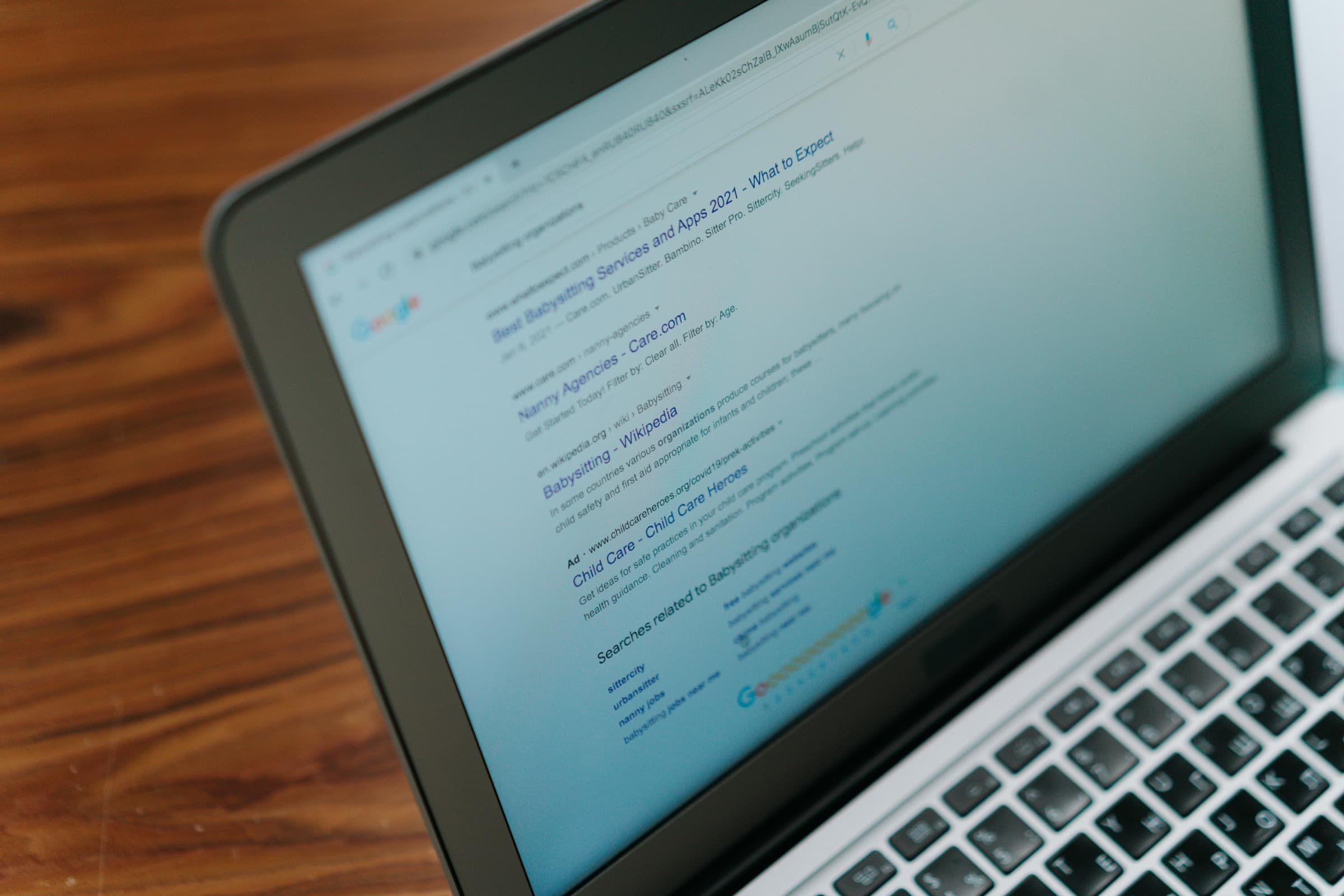
Businesses often face the decision between PPC (Pay-Per-Click) advertising and organic marketing strategies to enhance their online presence and attract customers. Each approach offers distinct advantages and considerations, catering to different goals and budgets.
What is PPC advertising?
PPC advertising provides an immediate boost in visibility by placing ads prominently in search engine results and on relevant websites. These ads appear based on targeted keywords and audience demographics, ensuring they reach potential customers actively searching for specific products or services. While PPC campaigns require a financial investment, they offer measurable results and control over ad spend, allowing businesses to adjust strategies in real time to maximize ROI.
The catch: PPC is a faucet. The traffic runs while the money runs. Turn off the budget and the visibility disappears the same day.
What is organic marketing?
Organic marketing focuses on building long-term visibility and credibility through content creation, SEO (Search Engine Optimization), and social media engagement. This approach emphasizes creating valuable, relevant content that resonates with target audiences and ranks well in search engine results organically. While organic strategies may take time to gain momentum, they establish a foundation for sustainable growth, attracting organic traffic and fostering trust among customers.
Organic is closer to an asset than a faucet. A useful page you publish this quarter can keep bringing in visitors for years, and it is increasingly what AI tools like Google's AI Overviews, ChatGPT and Perplexity pull from when they answer questions about your industry.
PPC vs organic: how they compare
| PPC | Organic | |
|---|---|---|
| Speed | Traffic the day campaigns go live | Usually several months to build momentum |
| Cost model | You pay for every click | You pay for the work, not the clicks |
| Durability | Stops when spend stops | Compounds and keeps working |
| Control | Precise control over keywords, audiences, budget and timing | Less direct control; you earn placement |
| Best for | Launches, promotions, testing offers, high-intent searches | Long-term demand, trust, authority, AI search visibility |
| Biggest risk | Wasted spend on bad keywords and weak landing pages | Giving up before it compounds |
When PPC makes more sense
- You need leads now. A new location, a launch or a slow quarter does not wait for SEO to kick in.
- You want to test an offer or message. A few weeks of paid traffic tells you which headline, price point or landing page converts before you build a whole content strategy around it.
- The searches are high intent. Terms like "emergency plumber near me" or "accountant for small business" are worth paying for because the person is ready to act.
- Organic is crowded. If the first page is dominated by directories and national brands, paid placement may be the fastest way onto the page while organic catches up.
When organic makes more sense
- You're playing a long game. If you plan to be in business in five years, owning visibility beats renting it.
- People research before they buy. Considered purchases (software, professional services, medical, home improvement) are won with content that answers questions honestly.
- Click costs in your industry are steep. In some categories, every paid click is expensive enough that organic traffic is the only way the math works long term.
- You want to show up in AI answers. AI search tools cite pages that earned their place organically. You cannot buy your way into an AI Overview citation.
Why most businesses should run both
Choosing between PPC and organic marketing often depends on immediate needs, budget constraints, and long-term marketing objectives. In practice, the strongest results usually come from combining both:
- Use PPC data to pick organic targets. Your paid search terms report shows exactly which keywords convert. Those are the topics to build organic pages around.
- Use organic to lower paid costs over time. As pages start ranking for your best keywords, you can pull paid budget back on those terms and redeploy it to new tests.
- Cover the whole results page. Showing up in both the ads and the organic results for a key search builds credibility and captures more of the clicks.
- Retarget organic visitors with paid. Someone who read your guide but didn't convert is a far warmer audience for a paid ad than a stranger.
How to decide where to start
Ask three questions. How soon do you need results? How much can you spend on clicks every month without strain? And how long are you willing to invest before you see a return? If the answers are "now," "enough," and "not long," start with PPC and build organic alongside it. If you have patience and a tight ad budget, lead with organic and use small paid tests to learn.
Whichever you start with, make sure your paid spend isn't leaking. Our guide to fixing wasted Google Ads spend covers the usual culprits. If you want help building a plan that uses both, our Google Ads and SEO teams work from the same data. Book a free call and we'll look at where your next dollar should go.